



Casting Sinkage Defect: Identification, Causes and Prevention
2026-09-19 10:56I. What is sinkage
Sinkage is a common surface defect in casting production. It is characterized by local collapse on the upper plane of heavy sections or section junctions of castings. This defect mostly occurs at thick-walled areas of castings, and sometimes appears on the surface near internal shrinkage cavities or shrinkage porosity zones. Its typical feature is that shrinkage cavities or shrinkage porosity are often found beneath the sinkage, while the surface of the defective area shows no obvious difference from the normal surface of the surrounding casting, making it easy to overlook.
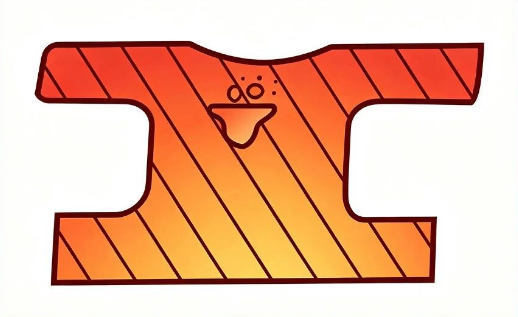
II. How to identify sinkage
Visual inspection is the primary on-site identification method. Special attention should be paid to distinguishing it from two other similar defects:
Distinction from open shrinkage cavities: Open shrinkage cavities are mostly funnel-shaped with rough surfaces, and coarse dendritic structures can often be seen on inner walls, featuring relatively obvious morphological characteristics.
Distinction from surface blowholes: Surface blowholes formed at heavy sections closely resemble sinkage in appearance. They are generated when gas from low-permeability molds floats to the upper surface of castings, or gas released from sand molds and coatings invades the casting surface.
If judgment cannot be made merely by visual appearance, further inspection of mold permeability and venting system shall be carried out. If necessary, the casting shall be dissected to confirm whether the internal defect is subcutaneous blowhole, shrinkage cavity or shrinkage porosity to avoid misjudgment.
III. Formation mechanism of sinkage
During solidification and shrinkage of castings, the molten metal at heavy sections or hot spots solidifies slowly. When a plastic solidified shell has formed on the outer layer of the casting while the inner metal continues to shrink, atmospheric pressure presses this incompletely rigid outer shell inward, eventually forming sinkage. Essentially, sinkage is a surface manifestation of unreasonable solidification sequence and insufficient feeding.
IV. Effective prevention of sinkage
In accordance with the formation mechanism of sinkage, prevention measures can be taken from three aspects:
Optimize casting structural design. Avoid abrupt wall thickness changes, enlarge fillets at junctions between thick and thin sections, and reasonably set process allowances to improve sequential solidification conditions.
Improve the feeding system. Where conditions permit, add risers, place chills or arrange auxiliary runners to ensure solidification proceeds in a rational sequence and achieve adequate feeding.
Implement joint prevention against shrinkage-related defects. Since sinkage shares the same origin as shrinkage cavities and shrinkage porosity, all process measures for preventing shrinkage cavities shall be implemented synchronously to fundamentally reduce defects caused by solidification shrinkage.
Although sinkage appears as a surface defect, it reflects problems in feeding and structural design during casting solidification. Combined optimization of structure, feeding process and systematic prevention can effectively reduce sinkage rate and steadily improve the finished casting quality and surface consistency.