
Xinda News
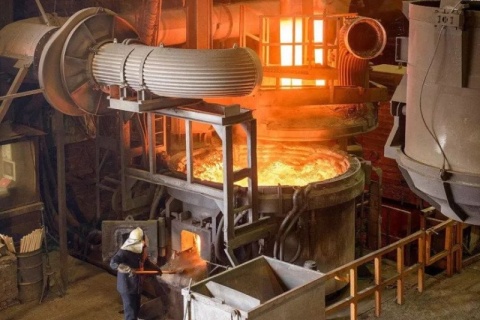
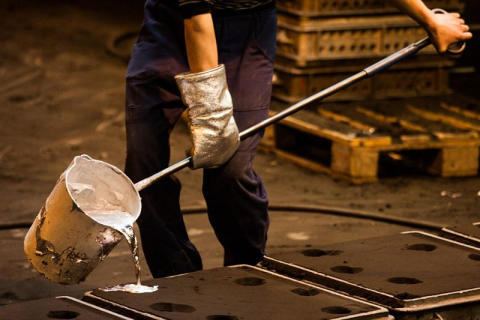
In the steel casting production process, the pouring process serves as a crucial link connecting molten steel smelting and casting forming. The rationality of its process parameters and the standardization of operations directly determine the internal quality, appearance quality and service reliability of steel castings. Whether it is the precise control of temperature, the scientific adjustment of speed, or the standardized operation of the entire process, all play a decisive role in avoiding casting defects and improving product qualification rates. The following will systematically sort out the core technical points of the steel casting pouring process.
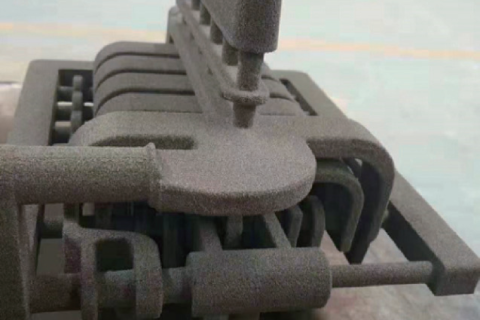
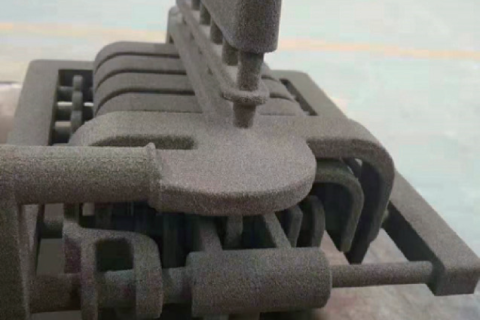
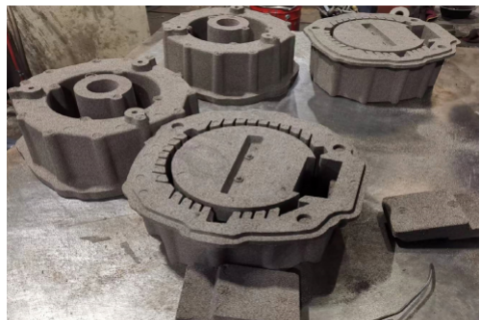
Amid the accelerated digital transformation of manufacturing, the traditional casting industry is undergoing an unprecedented revolution. Long-plagued by complex casting challenges, the industry now has a new solution in breakthrough 3D printing applications, which is driving it faster toward digitalization, intelligence and greenization.
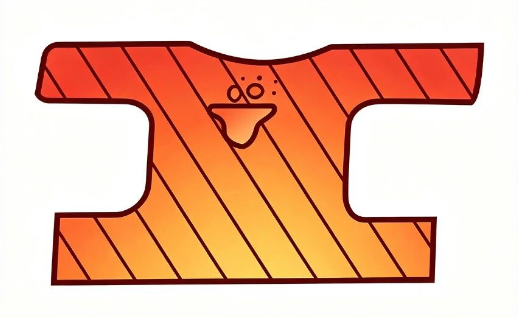
Spheroidal graphite iron (SGI) castings are prone to unique flaws when spheroidizers are misused—directly impacting mechanical properties and product quality. Here are 7 common issues to watch for:
Prevention and Control Measures for Hot Cracking Defects in Resin Sand Steel Castings Key Strategies to Mitigate Risks in Thin-Walled and Complex-Shaped Steel Castings Produced with Furan Resin Sand
As an advanced sand casting technology, V-process casting, relying on its unique vacuum molding principle, demonstrates advantages that traditional sand casting can hardly match in the casting field. However, it also has obvious limitations due to its process characteristics. The following is a detailed elaboration from both advantages and disadvantages.