



Xinda Zirconia Foam Ceramic Filter Boosts Stainless Steel Casting Quality——Remarkable Results in High-End Stainless Steel Valve Body Production
2026-04-01 09:24Stainless steel castings have a high alloy content, a long smelting cycle, and relatively severe alloy oxidation. The oxides generated thereby, together with impurities such as steel slag, ladle refractory materials, and secondary oxidation inclusions mixed into the molten steel during tapping, transfer, and pouring, form casting defects. These defects will lead to a decrease in casting quality or even scrapping. Therefore, foam ceramic filters are introduced into the gating system to make the castings meet the technical requirements.
Factory Situation:
A company engaged in the production of castings for aerospace, gas turbines, nuclear energy and nuclear power and other fields.
Casting and Technical Requirements:
Casting Type: Stainless Steel Valve Body
Material: CF8M
Pouring Molten Steel Weight: Approximately 1000kg
Non-destructive Testing Requirements: 100% casting volume radiographic testing (RT), weld end grade 1, others grade 2; 100% casting outer surface and accessible inner surface liquid penetrant testing (PT), complying with the following requirements: any linear indication shall not be greater than 2mm; the size of a single circular indication shall not be greater than 4mm; the number of dense indications in any 100mm*100mm area shall not be greater than 2mm.
Filter Parameters:
| Model | Cold Compressive Strength ≥ (MPa) | Maximum Service Temperature ≤ (°C) | Porosity ≥ (%) |
| Zirconia Foam Ceramic Filters-1Z | 1.5 | 1700 | 81-83 |
Application Scheme of Zirconia Foam Ceramic Filter:
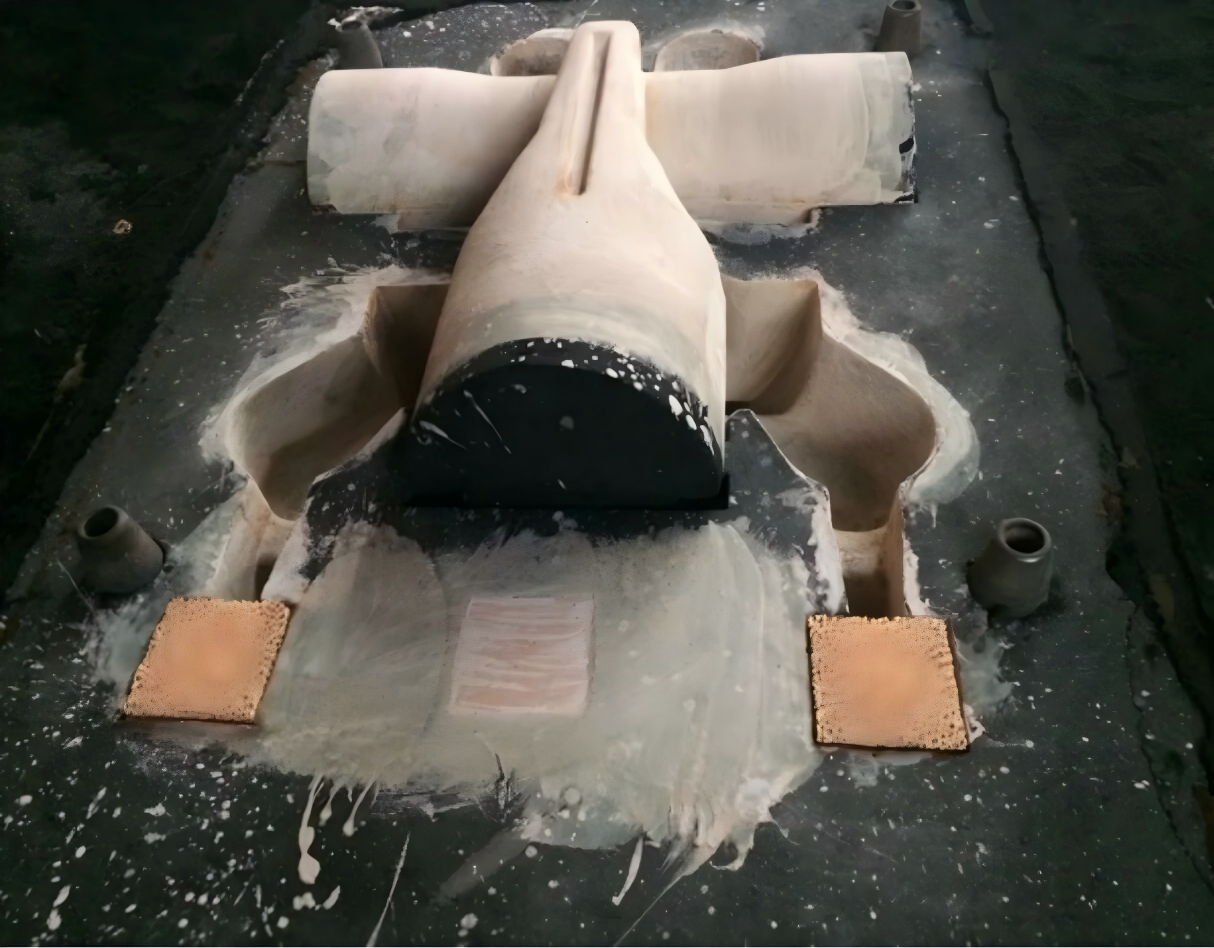
Two pieces of 125*125*30mm (10PPI) zirconia foam ceramic filters are selected and placed on the runner.
Application Effect:
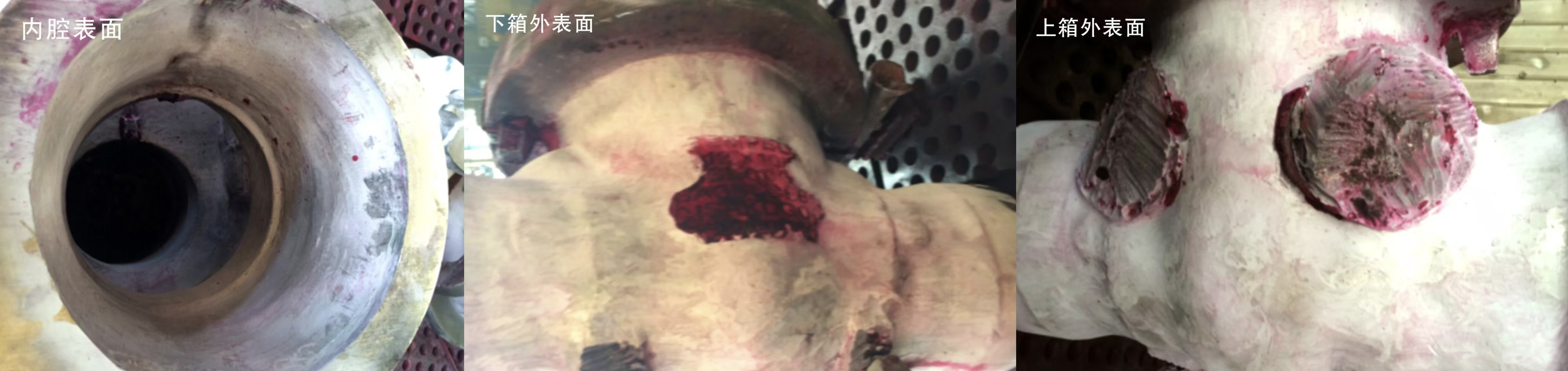
Liquid Penetrant Testing (PT): There are very few excessive slag inclusion and sand inclusion defects on the inner and outer surfaces, especially the number of casting defects on the outer surface of the upper box and the upper surface of the inner cavity of the casting is significantly reduced compared with products without filters.
Radiographic Testing (RT):The average qualification rate of internal quality reaches 95.13%, which is much higher than that of products without filters; it reduces the product welding workload, welding electrode cost, welding repair time, etc., and has an obvious effect of improving product quality.
The adoption of Xinda zirconia foam ceramic filter can effectively purify the stainless steel molten metal, eliminate or reduce inclusions, reduce the rejection rate, and at the same time improve the internal and surface quality of castings and reduce repair costs. Xinda zirconia foam ceramic filter uses high-purity zirconia as the core raw material, with a high temperature resistance of up to 1760℃. Relying on the three-dimensional interconnected pore structure, it can convert the turbulent flow of molten steel into stable laminar flow, efficiently intercept micron-level impurities such as steel slag and refractory fragments. It also has excellent thermal shock resistance, molten steel erosion resistance, low gas generation and strong chemical stability, and does not react with molten steel, perfectly adapting to the precision casting needs of high-end materials such as CF8M stainless steel.
As a preferred filter consumable in the high-end casting field, Xinda filter relies on mature production technology and strict quality control, and can customize products of different sizes and apertures according to casting specifications, adapting to the strict production standards of aerospace, gas turbines, nuclear energy and nuclear power and other fields. It can not only build a solid line of defense for casting quality, but also help enterprises reduce production costs and improve production efficiency. It is the core support for improving quality, efficiency, reducing costs and consumption in stainless steel casting production.